


Not all skin treatments are instant.
Some of the most effective ones work beneath the surface, triggering renewal that takes time to fully show. This in-between phase is called downtime.
And how you care for your skin during this window matters just as much as the treatment itself.
Think of it this way: your skin is doing deep work. Your role is to support it, not interrupt it.
Here’s how to move through downtime with intention: what to do, what to avoid, and how to make the most of your results.
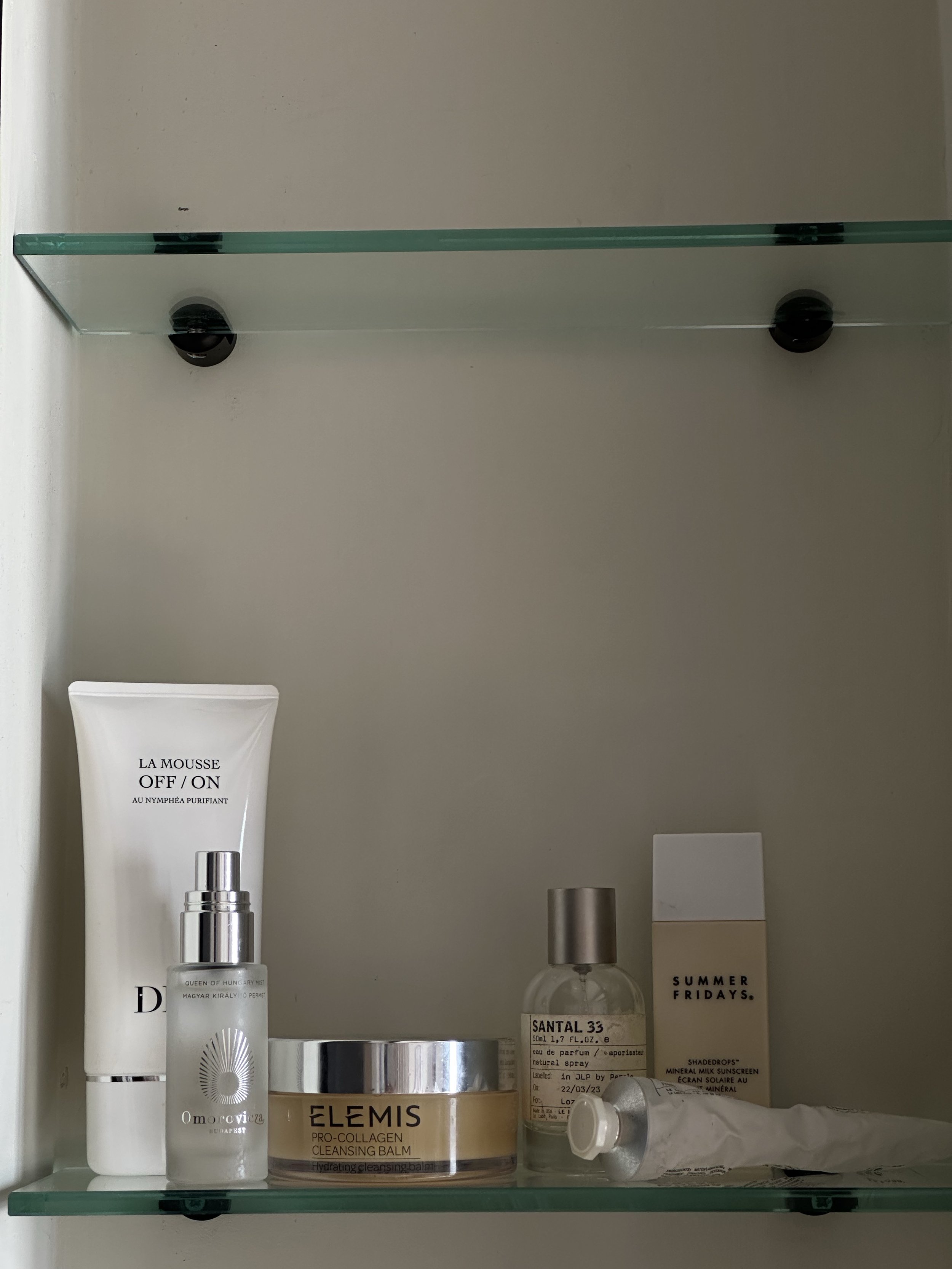
The Do’s: Support the Process
Prioritize rest (and elevation)
Sleep is when your skin repairs itself best. For the first couple of nights, keep your head slightly elevated using an extra pillow. This helps reduce swelling and keeps fluid from settling in treated areas.
Stay consistent with sun protection
Use at least SPF 30, and reapply throughout the day if you’re exposed. Healing skin is more prone to damage and pigmentation, even with minimal sun exposure.
In the same vein, it’s best to limit staying under the sun for 2-3 weeks after your treatment.
The Don’ts: Avoid Disrupting Healing
Don’t wash too soon
Give your skin a brief pause from contact. Don’t wash the treated area for the first 12–24 hours to allow the initial healing process to begin undisturbed.
Don’t use actives or astringents
Hold off on exfoliating acids, retinoids, and other strong skincare products for at least 1–2 weeks to prevent irritation.
Don’t add friction
This includes makeup, heavy sweating, and anything that creates rubbing or pressure on the skin for 3 days.
Your skin is more reactive right now. Less contact means less chance of irritation.
Social Downtime: Give Yourself Space
In the first 3-5 days, your skin may look visibly in progress. You don’t need to hide it or feel the need to explain it, but it’s also okay to be intentional about your schedule.
If possible, avoid planning important meetings, events, or social gatherings during this period.
Not because something is wrong, but because you don’t need the added pressure to look a certain way while your skin is still healing.
Giving yourself that space allows you to move through downtime more comfortably, without rushing or second-guessing the process.
Don’t Rush the Process
While downtime typically lasts 5–7 days, your skin doesn’t always follow an exact timeline.
Some days will look better than others. That’s part of how recovery works.
Trying to speed things up—by adding products too soon or expecting immediate results—often leads to the opposite outcome. Healing becomes inconsistent, and results take longer to fully settle.
Good skin takes time to rebuild, and downtime is part of it.
What you do after your treatment matters just as much as the treatment itself.
When you respect the downtime, you allow results to develop the way they’re meant to.
No rushing. No overcorrecting.
Just steady, supported healing—so your skin doesn’t just recover, but comes back stronger.